
Living Well With Chronic Pain: Practical Ways to Protect Joy and Momentum
Feb 03, 2026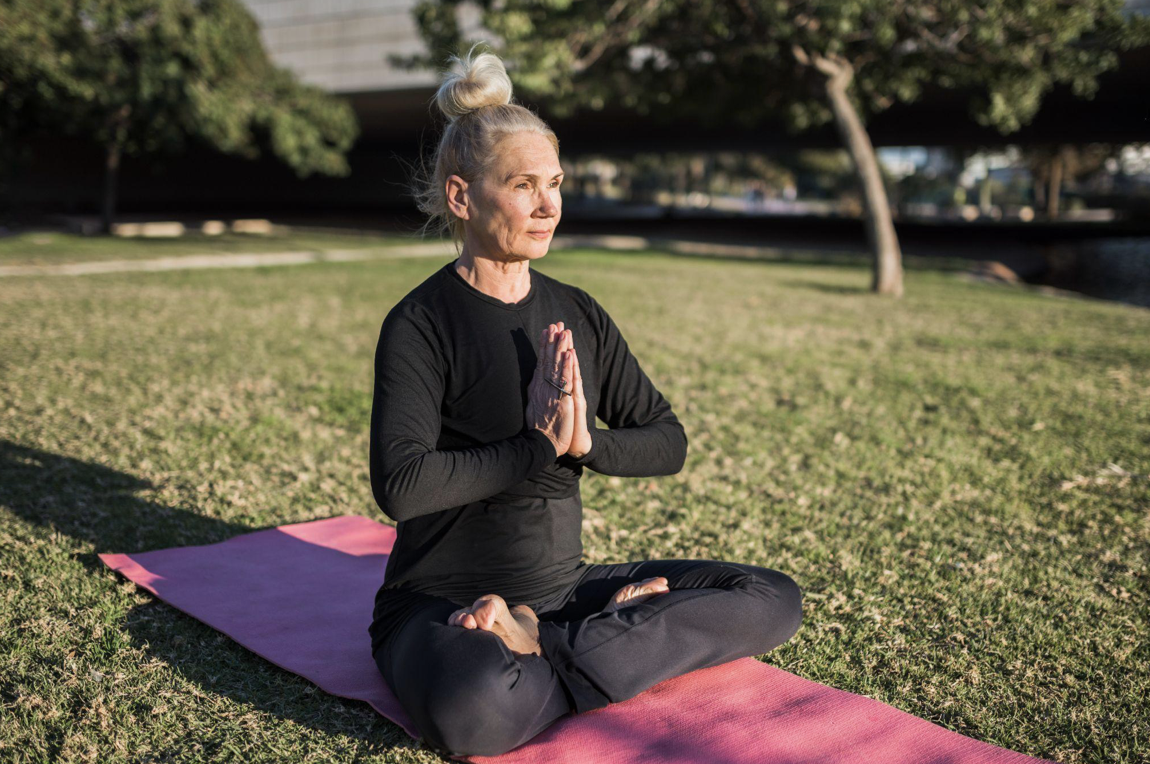 Chronic pain affects millions of people worldwide, influencing daily choices, energy, and emotional resilience. While pain may be ongoing, it does not automatically eliminate the possibility of a meaningful, engaged life. Fulfillment often comes from learning how to work with the body rather than against it. With thoughtful strategies, people can stay connected to what matters most.
Core Insights
- Sustainable habits usually matter more than quick fixes
- Gentle movement supports both physical and emotional well-being
- Structure and flexibility can coexist
- Support systems make long-term adaptation easier
Reframing Pain Without Letting It Define You
Pain can quietly narrow life when every decision is shaped by fear of flare-ups. A more supportive approach treats pain as one factor among many, not a personal identity. This mental shift opens space for intention, planning, and participation without constant self-restriction.
Many people regain momentum by focusing on values rather than limitations. Instead of asking what pain prevents, they ask what still feels meaningful and how to pursue it differently. Progress often comes from small, repeatable changes rather than dramatic transformations.
Building a Body-Smart Daily Rhythm
Predictability helps calm a nervous system that lives with pain. Regular sleep schedules, light morning movement, and planned recovery breaks can reduce symptom volatility. Over time, these rhythms support energy conservation and emotional steadiness.
Daily habits like hydration, nutrition, and stress regulation also influence how pain is experienced. While none are instant solutions, together they create a foundation that makes flare-ups more manageable and good days more frequent.
Movement That Respects Limits While Expanding Capacity
Staying active does not require ignoring pain signals. Many people benefit from movement that prioritizes awareness, pacing, and adaptability. The goal is to maintain mobility and confidence without triggering setbacks.
The following movement options are commonly used to stay active while minimizing flare-ups and recovery time:
- Short walks spaced throughout the day
- Water-based activity that reduces joint strain
- Gentle strength work with built-in rest
- Stretching that stops before discomfort escalates
Chiropractic Care as Part of a Broader Strategy
Some people with chronic pain explore hands-on care to improve movement and reduce physical strain. Chiropractic care can support alignment and mobility when integrated thoughtfully with other approaches. If pain follows a vehicle collision, it is especially important to find a car accident chiropractor experienced with accident-related conditions such as whiplash, herniated disks, spinal cord trauma, and soft tissue injuries. Treatment length varies widely, ranging from a few visits to longer-term care depending on injury severity and response.
Yoga as a Sustainable Path to Staying Engaged
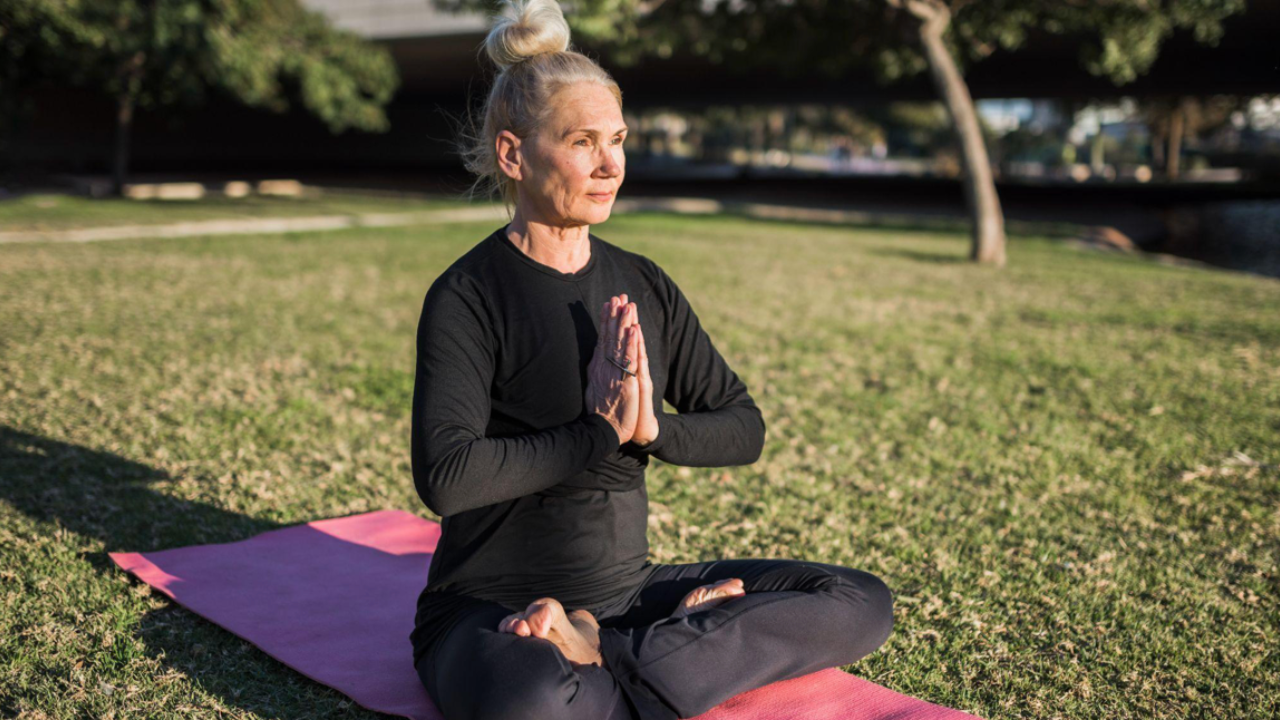
Mindful movement practices offer another way to remain active without overwhelming the body. Programs from the Gabe Yoga Academy focus on balance, awareness, and adaptability, making them accessible for people living with chronic pain. Styles such as Yin and Vinyasa yoga, combined with breathwork, support flexibility, strength, and nervous system regulation. These practices encourage listening to internal cues rather than pushing performance. Over time, this approach can help people stay physically engaged while honoring personal limits.
Simple Actions That Support Better Days
When pain fluctuates, decision fatigue can add unnecessary stress. This simple framework can help protect energy and consistency:
- Choose one daily habit that supports stability
- Schedule activities around energy patterns, not rigid time blocks
- Treat recovery as essential, not optional
- Reassess what helps every few weeks
- Communicate boundaries early to avoid overload
Comparing Support Options
Different tools serve different roles in a pain-aware lifestyle. The table below outlines how common supports tend to function.
|
Support Type |
Primary Focus |
Best Use Case |
|
Mindful movement |
Mobility and awareness |
Daily maintenance and stress reduction |
|
Manual therapies |
Structural support |
Targeted physical discomfort |
|
Lifestyle routines |
Energy regulation |
Long-term stability |
|
Social support |
Emotional resilience |
Chronic Pain FAQs
For those deciding how to manage chronic pain while staying engaged with life, these questions often shape next steps.
Is it realistic to stay active with chronic pain?
Yes, though activity may look different than it once did. The focus shifts from intensity to consistency and recovery. Many people find that gentle, regular movement improves confidence over time.
How do I know if I’m overdoing it?
Overexertion often shows up as delayed flare-ups rather than immediate pain. Tracking symptoms and energy patterns can clarify limits. Adjustments become easier when decisions are based on observation.
Can multiple approaches be used together?
Most people benefit from combining strategies rather than relying on one method. Movement, hands-on care, and lifestyle habits often complement each other. Coordination helps keep efforts aligned.
What if motivation drops during flares?
Motivation naturally dips when pain increases. Having low-effort fallback routines helps maintain continuity. This prevents short setbacks from becoming long interruptions.
How long does it take to feel a difference?
Timelines vary depending on the approach and individual. Some notice subtle changes within weeks, others over months. Consistency matters more than speed.
Closing Thoughts
A fulfilling life with chronic pain is built through alignment, not resistance. When routines, movement, and support systems work together, forward momentum becomes possible again. Pain may remain present, but it does not have to dominate daily experience. With patience and intention, many people reclaim agency, connection, and satisfaction on their own terms.
Image: Freepik
Article contributed by Dylan Foster
