
How to Boost Your Well-Being Every Day with Simple Yoga and Wellness Habits
Mar 24, 2026How to Boost Your Well-Being Every Day with Simple Yoga and Wellness Habits
 For busy yoga beginners and returning practitioners, daily vitality can feel like a moving target. The real challenge is not a lack of motivation. It is the stop-and-start cycle of trying to create the perfect routine, getting overwhelmed by conflicting advice, and then skipping practice when life gets busy.
The good news is that well-being does not require a complete lifestyle overhaul. It begins with small, repeatable habits that support your energy, mood, and the way your body feels each day. With consistency, those simple actions create momentum and help your wellness goals become something real rather than something you keep postponing.
Quick Summary: Daily Yoga and Wellness Wins
- Start with simple yoga and movement to build steady daily energy.
- Choose balanced meals that help you feel nourished and clear-headed.
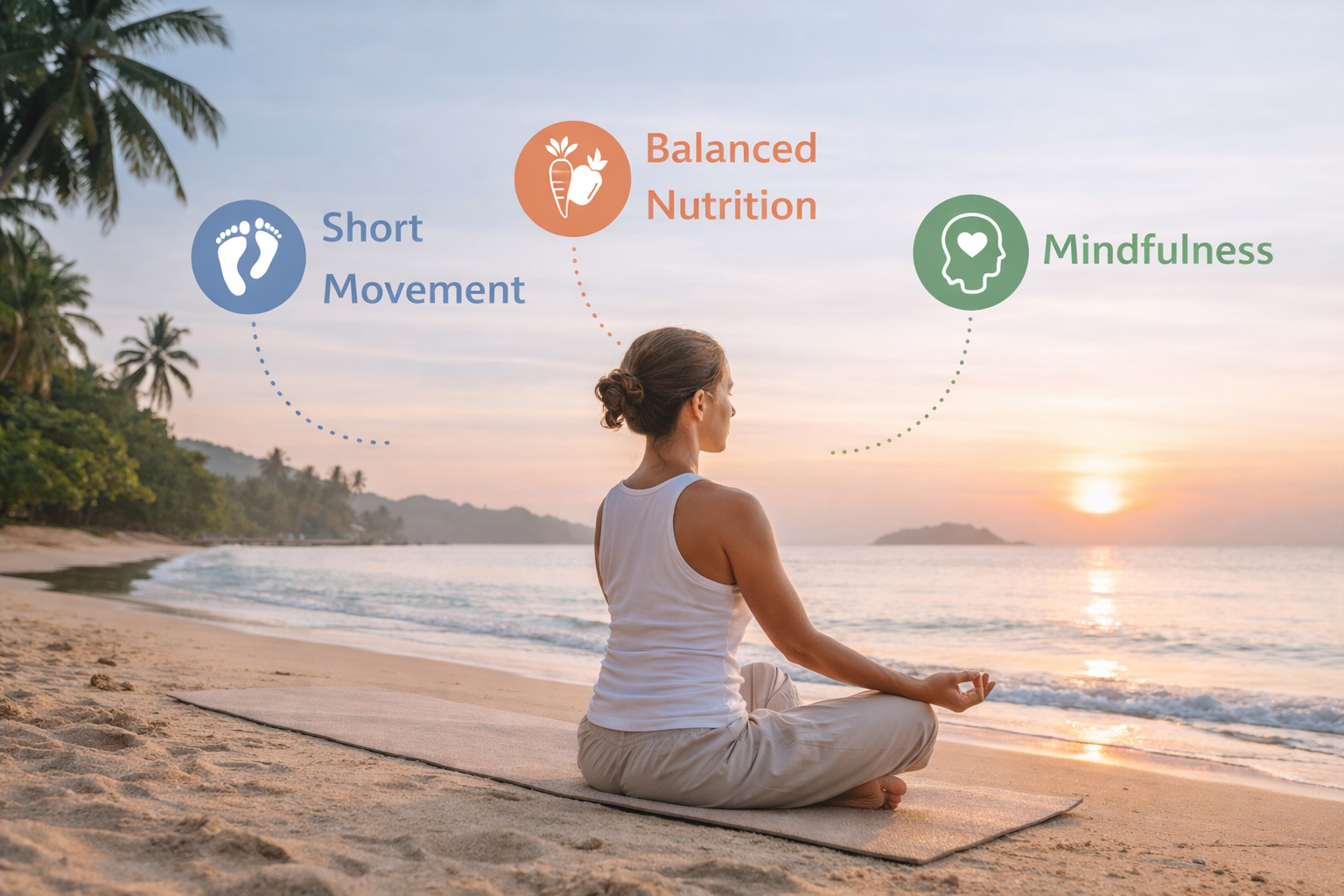
- Practice mindfulness to reduce stress and improve presence.
- Explore creative hobbies that support joy and nervous system regulation.
- Use small mental wellness practices to build resilience over time.
Build a Beginner Routine with Movement, Meals, and Calm
A beginner routine does not need to be complicated. Start by choosing a few small habits from movement, nutrition, and relaxation, then make them easy to repeat.
1. Try a Simple “3-2-1” Movement Week
A great starting point is:
- 3 short walks of 10 to 20 minutes
- 2 beginner strength sessions of around 15 minutes
- 1 gentle yoga practice such as yin or slow vinyasa
This combination builds stamina, joint support, and flexibility without pushing you into burnout. The goal is simple: show up, finish, and stop while you still feel good.
2. Use an Easy Meal Template
For most meals, think in simple proportions:
- Half your plate colorful vegetables or fruit
- A palm-sized portion of protein
- A fist-sized portion of carbohydrates
Keeping two reliable breakfast options and two easy lunches on rotation can reduce decision fatigue and make healthy choices much more sustainable.
3. Use a 10-Minute Movement Snack on Busy Days
When you do not have time for a full practice, do a short circuit. Set a timer for 10 minutes and rotate through these movements:
- Marching in place
- Bird-dogs
- Plank on the knees or with hands on a countertop
Even a short session helps maintain consistency. At the beginning, consistency matters more than intensity.
4. Create a Nightly Closing Ritual
Spend 5 to 10 minutes doing two small actions that make tomorrow easier. For example:
- Wash your face
- Stretch your calves or shoulders
- Lay out clothes for the next day
- Write a three-line journal entry
This is not about perfection. It is about reducing friction and supporting your future self.
5. Add a Creative Habit
Creative activities can help calm the nervous system and reduce mental overload. Keep something low-pressure nearby, such as:
- Coloring
- Sketching
- Knitting
- Making a playlist for practice
The point is not performance. The point is absorption, relaxation, and a small return to enjoyment.
6. Make a One-Page Visual Reminder
Choose one or two key habits and place them somewhere visible. Your reminder might say:
- Walk 3 times this week
- Practice 10 minutes of yoga
- Build one balanced dinner each day
When the week includes movement, simple food choices, and one calming ritual, yoga begins to feel natural rather than like another item on a stressful to-do list.
Small Daily Yoga Habits That Actually Stick
The best wellness plan is the one you can repeat, even when life feels busy. These small yoga habits are simple, effective, and realistic.
Two-Minute Arrival Breath
Before starting your class or home practice, take five slow breaths. This creates a sense of arrival and helps calm the nervous system before movement begins.
One Pose, Three Variations
Pick one pose and explore an easy version, a medium version, and a supported version. This builds body awareness and helps you learn that yoga can adapt to you.
Style Sampler Week
Try one short practice each of yin, hatha, and vinyasa during the week. This helps you discover what style supports you best on different days.
30-Second Pose Notes
After each session, write one cue that worked and one area that felt tight. This keeps you connected to your progress without pressure.
Twelve-Week Consistency Block
Repeat a short beginner plan for twelve weeks. Keep it simple. Long-term consistency is what creates real results.
Common Questions About Daily Yoga and Stress Relief
What are some effective daily habits to improve overall well-being?
Start with the basics you can actually maintain: regular sleep, water earlier in the day, short movement breaks, and one calming practice such as stretching or breathwork.
How can I fit yoga into a busy schedule?
Use short sessions of 8 to 15 minutes and place them into your day like any other appointment. Yin works well for evenings, hatha supports steady foundations, and vinyasa can bring energy when you feel flat.
What self-care practices help reduce stress and prevent burnout?
Choose one daily nervous system reset, such as a slow exhale breathing pattern, a short walk without your phone, or a screen-free evening ritual. Add one recovery-based yoga class each week if possible.
How do I stay motivated when trying to build healthier habits?
Make the habit small enough that it feels easy to begin. Then attach it to something you already do, like brushing your teeth or making coffee. Track one small win after each session so your attention stays on progress, not perfection.
Helpful Resources
If you want to explore more ideas related to hydration, mindfulness, routines, habit-building, and skin wellness, these resources may be useful:
- Hydration Benefits: Why Water Is the Essence of Good Health
- Summer Skin Protection Checklist
- Morning Routine Checklist for Adults
- JMIR Formative Research Article
- Building a Habit: A Step-by-Step Guide to Lasting Change
- University of Phoenix Business Bachelor's Degree
- PubMed Central Article
- Another Great Way to Push Yourself to Stick to a Habit
- Mindfulness
- Skin Care Trends
Final Thought
Some days stress is loud, time is short, and the idea of a perfect routine feels impossible. That is exactly why small, repeatable choices matter. A few minutes of yoga, a short walk, a nourishing meal, or a quiet breath can begin to shift the tone of your day.
Well-being is not built through intensity. It is built through consistency. Choose one simple action today and let that be enough. Then repeat it tomorrow.
Submitted by: Justin Bennett
Edited by: GabeYoga
Image by GabyYoga and ChatGPT
